The month is finished. The month is finished.
You should then check the bank account of the restaurant.
The number isn’t exactly what you’d hoped for.
Restaurant owners can find this disconnect frustrating, as they believe that cash flow and profits should be the same. Both of them don’t match together. A P&L measures financial performance over a period while your bank account shows the exact timing of funds going into and out the business.
Understanding the different aspects can help owners change their perception of restaurant financials.
Imagine what might happen during an average week. The customers pay for food. Employees have to be paid. You will receive invoices for food and beverage deliveries. Rent is close to being paid. Credit card deposits are also timed. Sales tax has been collected, but that money is a legal obligation.
On the other hand, the next week’s shopping has already started.
Focusing on revenue only or the number of profits at the end does not take into account a lot of the activity.
The key may lie in the cost of prime.
Food, beverages and labor cost are all worth a close review when the profitability of a restaurant begins to decline.
Cost of the goods sold with labor is the main cost. The Bookkeeping Chef’s guidance puts prime cost at roughly 60%-65 percent of the revenue for many restaurants, focusing on daily monitoring, rather than waiting until the end of each month.
It is crucial to be able to detect the changes before they occur rather than obsessing over the exact percentage.
Imagine that the restaurant’s performance generally within its target, but this past week, it was higher. Maybe the number of overtime hours has increased. Perhaps beverage costs were steady, but food costs increased. Operators may examine menus, waste, portion sizes as well as vendor invoices and purchasing if the proportion of food is higher.
The percentage raises a concern. The answer is found in the restaurant’s activity.
Weekly reports allow for this conversation to take place even though everyone is aware of the events that have occurred.
After two or three weeks, it becomes much more difficult to reconstruct the specifics.
The Vendor’s bills arrive
The restaurant will be able to pay an additional time for the items it buys. This timing helps to explain the reason why profit alone isn’t enough to answer all cash questions.
Vendor invoices have to be received and tracked. This could be lots of work for an operation that has several suppliers.
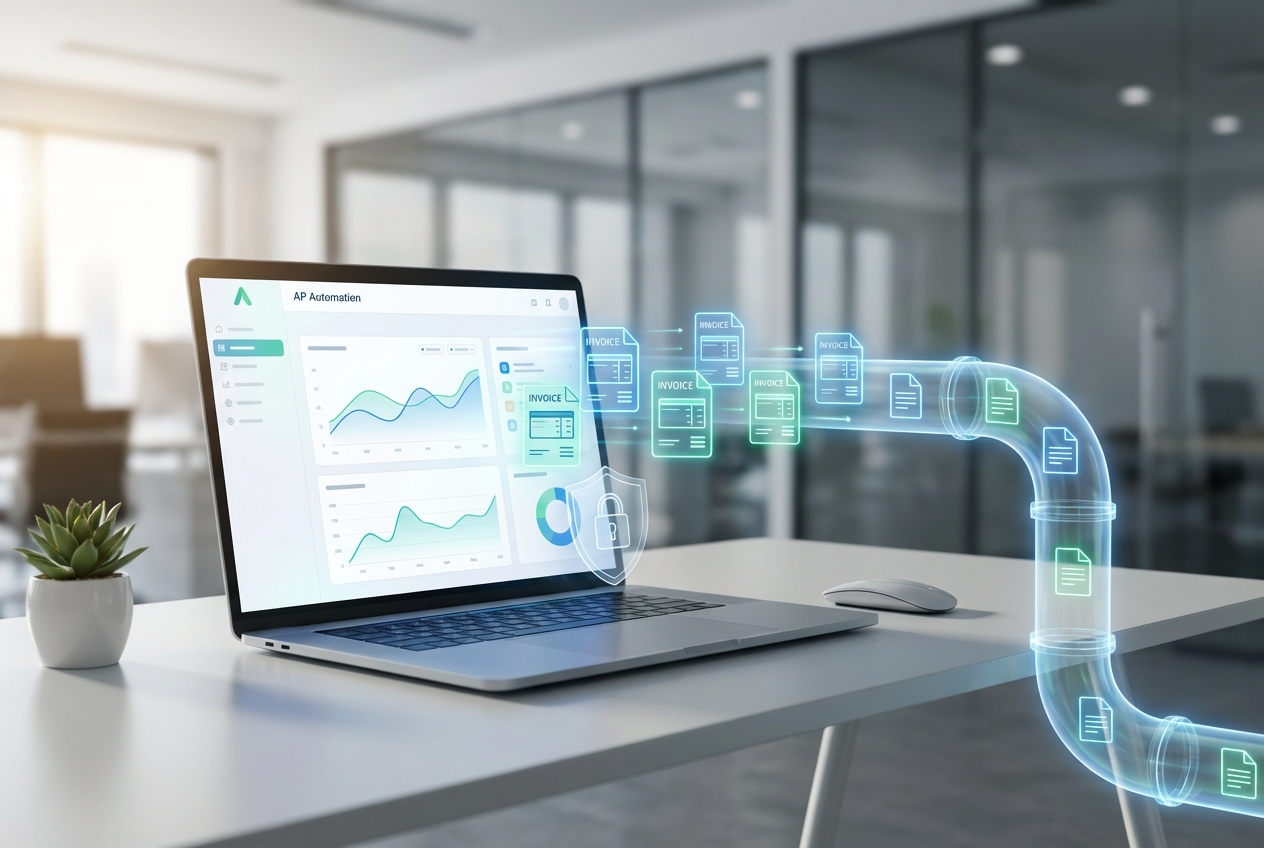
Accounts payable automation helps organize this process by reducing repetitive handling of bills and payment information. Bookkeeping systems that are connected can give owners a better picture of obligations, even if they’ve not yet been paid.
This is useful, because the bank’s balance could appear healthier than a restaurant’s actual financial situation.
It is possible that you’ve got $80,000 in your account as of right now. It could mean something different depending on other factors such as rent as well as payroll, vendors and other obligations for the coming days.
This leads to the cash flow forecasting.
What will happen with our cash after we’ve gotten the money that we expect and fulfilled all our obligations?
It is crucial to understand what the distinction is when deciding if this week is an ideal moment to upgrade equipment, purchase additional items or save liquid funds.
A portion of the Cash Wasn’t Yours at All
Sales tax highlights this point in particular.
Restaurants get money from clients, which they be able to manage in accordance with the tax requirements. If these cash-flows are combined with operating cash, it can give a false impression of the amount of money that is available for spending.
Regularly maintained records help restaurants comply with sales tax laws and also providing a complete overview of their financial standing.
This is a reason why restaurant accounting is better when financial responsibilities aren’t considered as distinct islands.
Prime cost affects margin. COGS (cost of goods sold) and future payments are affected by the purchases from vendors. Payroll has an impact on both cash and labor percentage. Cash flow is affected by sales tax. The P&L tracks financial performance, while forecasting helps management look ahead.
Connect the pieces.
Bookkeeping Chef makes use of restaurant-specific reports and system integrations to help put all the pieces together. Outsourced bookkeeping can help owners who do not wish to spend the night manually reconciling their financial records.
It’s the last part that counts.
It’s not the aim of restaurant owners to stop checking their books because someone else does. Owners must be provided with information that helps them understand what’s happening.
If the P&L indicates that the restaurant is profitable but the bank balance feels insufficient, don’t believe that the P&L may be inaccurate.
What transpired between the two?
That question can teach you much more about the restaurant than any number on its own.