It would make engineering much easier if all water came at the same rate.
It does not.
The amount of wastewater that enters a residential system is likely to fluctuate throughout the day. Industrial and commercial buildings could have operating peaks. Stormwater flow is affected by weather conditions. Demand for clean water also increases and falls based on usage.
Thus, designing an efficient pump station isn’t just it’s a matter of finding a flow number and selecting equipment that can meet it. Engineers need to be aware of the environment that the system will be exposed to.
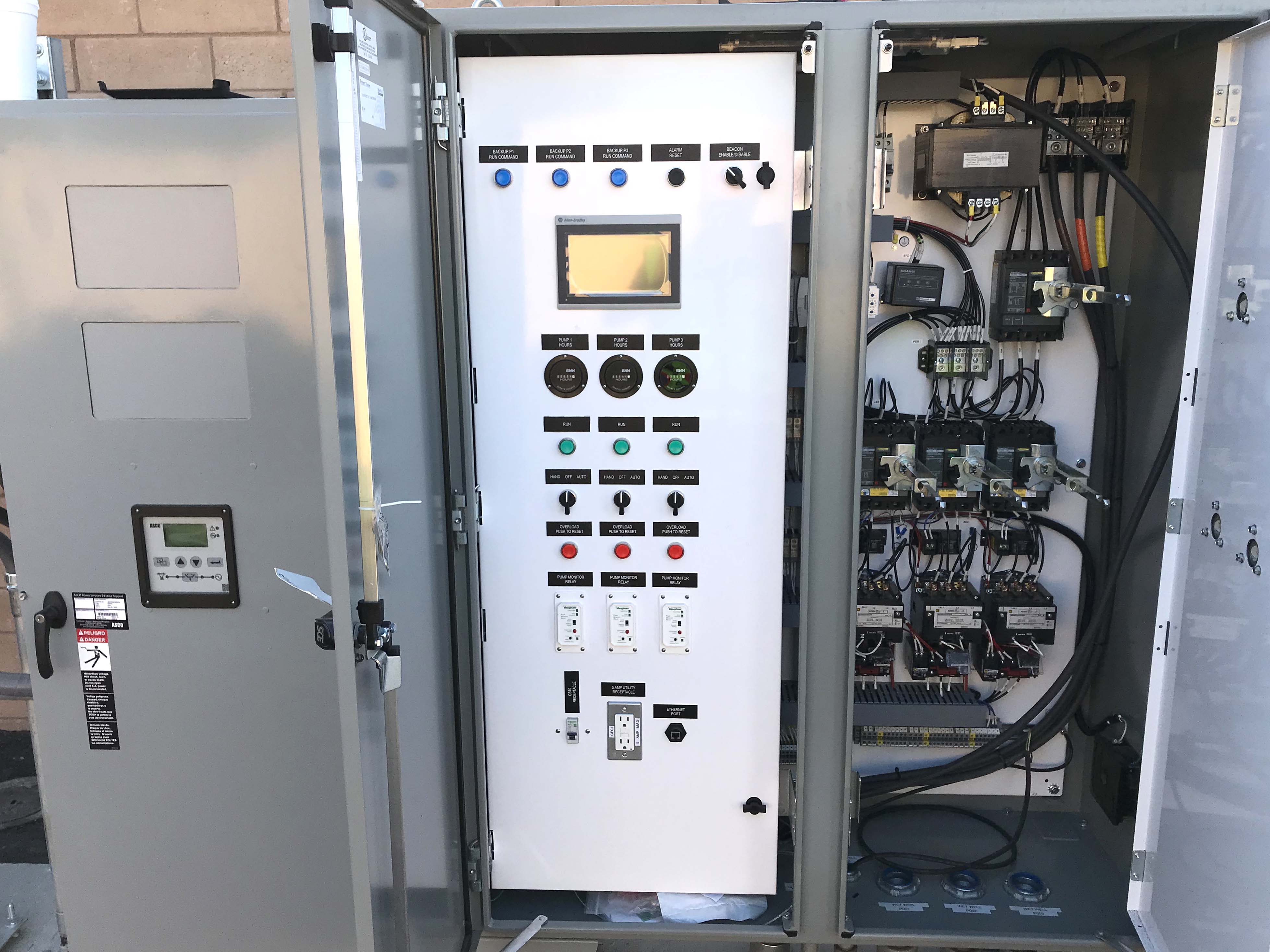
Image credit: romtecutilities.com
Don’t just think about capacity but also operational conditions
The greatest flow is vital, but this is only part of the process. Imagine a wastewater system that was designed for a large peak flow. Most of the time the incoming flow is less. When this happens however, the station has to operate properly.
This raises questions regarding wet-well size, pump operation and controls and head conditions as well as how the equipment will handle changes in demand.
A properly engineered package pumping system brings these considerations together around the actual requirements of the site instead of treating maximum pump capacity as the entire design objective.
The daily rhythm of wastewater
A wastewater lift station serving homes, businesses, or municipal infrastructure may be subject to changing influent conditions throughout the duration of its operation.
The system must collect the wastewater and turn on its pumps based on the strategy of control established for the station. The structural dimensions, the pumps and the piping, and electrical components and controls, all play an important role in this process.
Design can also include other considerations for the specific site. Romtec Utilities can incorporate auxiliary equipment such as grinder vaults, odor control equipment and so on when required by the application. This results in a station that is designed specifically for the needs of the project, rather than being a standard design applied to all wastewater sites.
Stormwater is able to change significantly faster
Stormwater is a distinct operation. The stormwater stations can be relatively quiet during dry conditions, and then experience a large inflow of water during a severe weather storm. Stations are often a part of larger flood control, detention or treatment strategies, so the stormwater plan is an essential part of system design.
Romtec Utilities takes into consideration aspects like the flow rate required along with head-related conditions, the system size and the requirements of the site and environmental concerns when designing these systems.
Stations that serve commercial developments could appear different than those designed for municipal stormwater use.
The Head Conditions are Important along with Flow
Engineers also need to know where the water is headed and the kind of resistance they have to overcome. Engineers must also know where the water is going to go and what resistance to overcome by the pumping system.
Pumps are able to operate with different head sizes based on the configuration of the system, including the piping configuration and discharge conditions, for example.
The connection between flow and head is a reason why selecting the right pump based on its capacity rating isn’t enough. Technology and station layout should be able to meet the requirements of hydraulics of the application.
Design for the Conditions the Station is likely to experience
Romtec Utilities develops customized pumping systems for wastewater, stormwater clean water boosters, industrial, and other purposes. The process starts with initial design plans, budgeting, set-ups along with system components, documentation, startup and testing.
The idea behind the design is simple Pumping systems don’t have to work for the rest of their lives under one set of convenient conditions.
They should also take into consideration the specific hydraulic requirements of the project, as well as changing demand, flow and requirements. It is essential to create a station that is able to cope with the challenges.