A strong side-by-side is able to transport equipment, carry supplies and navigate difficult trails. One stretch of waterlogged or deep snow can halt all other equipment.
Sometimes it’s not the horsepower that can cause issues. The problem is not always horsepower.
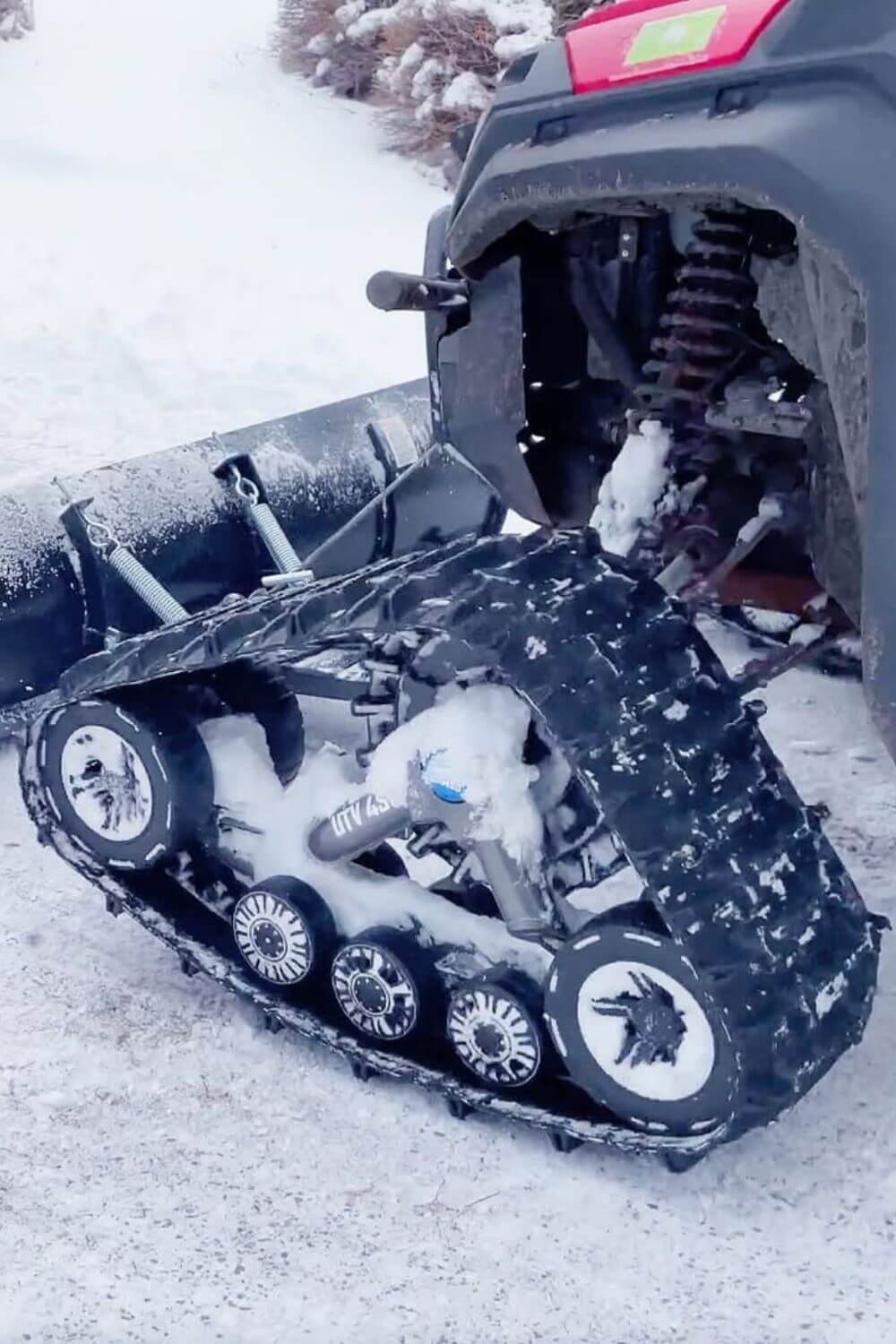
UTV tracks are an ideal choice. They change how the vehicle interacts with the ground, allowing drivers access to areas that may otherwise remain inaccessible during winter or mud season.
Traction isn’t the same as Flotation
Agri-friendly tires can enhance grip, but they put the weight of the vehicle into four small contact areas.
UTV track systems distribute that weight to a larger area. This reduces the ground pressure which allows the machine to traverse deep snow, soft terrain and muddy terrains without sinking.
The distinction is crucial for practical work. The owner of a property might need to be near a fence distant after snow. Farmers may need to traverse a muddy pasture without making deep ruts. One who maintains rural trails might need reliable access throughout the spring freeze. Tracks help handle these tasks and protect soils that are prone to.
Your machine will help you determine the best system for you
Not all tracks designed for UTVs are made for the same cars or different workloads. ATVtracks.net provides four different systems from Camso as well as Kimpex. The Camso 4S1 system is suited to many full-size vehicles within the 400 to 1000cc category.
The Kimpex HD4 supports machines within its published capacity of up to 4,000 pounds, while the Kimpex WSS4 follows its own manufacturer-specific compatibility list.
These categories are just starting points, not guarantees of fit. Make sure you know the model, make and year of your car before purchasing side-by-side tracks. The mounting kit needs to precisely match the vehicle. Even vehicles that look similar can need different hardware.
There are trade-offs that can be made for greater access
Tracks may improve access but they will not make UTVs more affordable or quicker to run. According to the manufacturer’s plans, some systems reduce travel speed by approximately 30-35% as compared to tires. The increased resistance and weight increase fuel consumption, and places an additional burden on drivetrains.
As per the advice of the manufacturer following the manufacturer’s advice, use a low range when driving through heavy or severe conditions, and limiting your speed can aid you in managing these stresses.
Rubber tracks also wear quicker when used for long periods on gravel or pavements that are abrasive. While current systems are made to work in all seasons, they’re most effective when placed on a suitable terrain.
Budget beyond the Track Units
Quality side by side track systems represent a substantial investment. ATVtracks.net’s systems start with a cost of $6,000 and go up to $13,000 depending on their design.
The track units themselves aren’t the whole installation. The vehicle-specific mounting parts, anti-rotation hardware, and perhaps additional spacers and hub parts could be required. The complete list of parts should be confirmed before the order is made.
Buy to the Conditions You Are Subject to
It is logical to utilize the track system in the event of attempting to resolve a persistent problem.
If your side-by-side is frequently in contact with deep snow, muddy pastures, marshy terrain, or challenging winter conditions, tracks could extend the tasks it is able to complete. The extra cost and upkeep of tracks might not be worth the cost for occasional recreational use.
ATVtracks.net is a company that has been helping owners for more than a decade to choose, install and maintain track systems. The team at ATVtracks.net can assist in confirming the compatibility of the track and determine the parts needed for the particular vehicle.
Before investing, think about the frequency at which your machine is stuck, what terrain causes the problem, and whether improvements in flotation could be beneficial.
The best tracks won’t completely eliminate all terrain limitations. But they can transform the side-by-side that was left in a stalemate during harsh conditions into an equipment you can continue to use when access is most important.