A successful garden doesn’t always begin with expensive equipment or a perfectly landscaped property. Most likely it starts with someone sowing seeds, keeping an eye on the results and making better decisions for the coming season.
The Sproutstead is a resource for those looking to know how to grow their own food and enhance the soil they are using, preserve what harvests, and achieve self-sufficiency without getting lost in technical terminology.
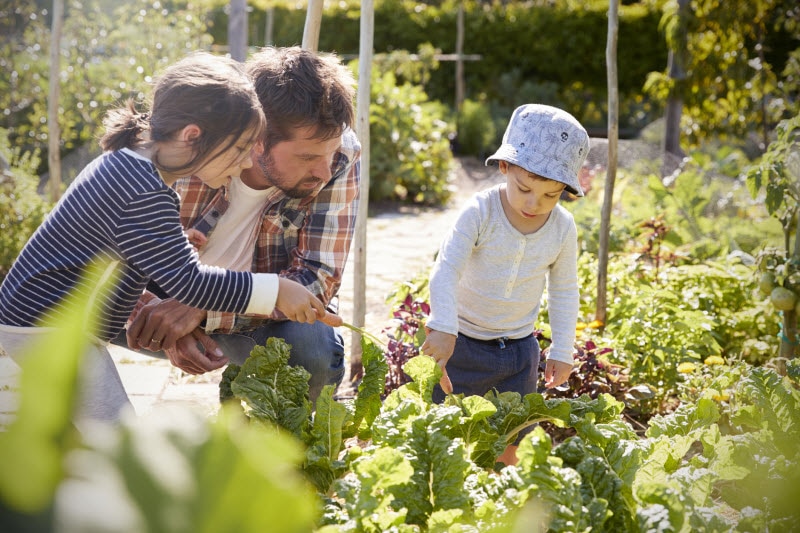
Your Garden has Its Own set of rules and conditions
The advice for gardening can be confusing as gardens aren’t interchangeable. A tomato grown in a sun-filled raised garden in one area of the country could behave differently than a similar variety with a heavier soil and shorter growing seasons in another.
Successful gardening and homesteading therefore involves more than following instructions. Knowing the environment in which you live is essential for gardening.
The Sproutstead provides the details in order to allow readers to alter gardening ideas to a typical home instead of trying to recreate someone’s ideal set-up.
Vegetable Gardening Begins Below the Surface
People are naturally drawn to plants that they can see, but the majority of the garden’s success is determined in the underground.
A equilibrium between drainage, moisture retention (retention of moisture), nutrients and organic matter is vital to healthy soil. Compost can enhance soil over time, while mulching can aid in conserving water and reduce the growth of weeds. Attention to these basic principles will make gardening for vegetables easier because healthy growing conditions offer the plants a solid foundation starting from the beginning.
Planning is also important. The effectiveness of a gardener’s utilization of space is determined by the spacing between plants, the timing to plant crops, the plant’s companion and the seasonal succession.
Tomatillos Teach Us To Pay Attention
If you ask 10 people about tomatoes, they will probably tell ten different tales. Most well-known of all vegetables grown in the backyard, tomatoes exhibit the effects of a variety of different kinds of conditions.
Anyone researching how to grow tomatoes should think beyond planting depth and fertilizer schedules. Tomatoes require adequate sunshine, continuous watering, an appropriate soil, appropriate spacing and support once they reach maturity. It is important to choose the most suitable tomato, as growing conditions along with the space available and the purpose of use will all impact the type of tomato that is best suited for your needs.
It might not be feasible to resolve the issue by adding fertiliser. This could be due to high nitrogen levels in the soil, low temperatures, a lack of sunlight, or even poor pollination. Observing the whole plant provides more information than treating each indication in the same manner.
The story of a harvest isn’t Endless
The process of growing twenty pounds of vegetables will be less enjoyable if half of them go bad before they’re eaten. A smart home-grown gardening system takes into account the consequences after harvest, too.
Canning or freezing, drying, sharing surplus produce, saving suitable seeds, and composting unwanted scraps can help households get more value from the produce they cultivate. Chickens in the backyard, composting, fruit trees and herb gardens can all be part of the home system.
Nobody has to be implementing all of the homesteading methods at once. It’s important to continue your homesteading journey regardless of whether you’re growing lettuce, building an organic compost pile, or preserving your first tomato crop.
Gardening is easy with the right knowledge
Even the most thorough gardening advice cannot guarantee perfect plants. Weather conditions change, pests may appear, seeds may fail, and the recommendations differ based on the region.
The Sproutstead approach these realities as a part of learning, rather than a nebulous exception. By connecting topics like soil and vegetables, seed-starting, pesticides, preservation chemicals, backyard chickens, or self-sufficiency, with other subjects like preservation, backyard poultry, or self-sufficiency. Readers will gradually learn how to grow an organic garden.
A more successful home garden is usually built similar to how plants grow: gradually, season by season, starting with a sturdy base.