For one customer, the appeal of the wig’s shade is offset by a cap that becomes uncomfortable after a few hours of wear. A second wearer likes the natural-looking hairline, yet would rather avoid twenty minutes of lace adjustments each morning. A third customer orders an otherwise beautiful wig and discovers that its density creates a heavier feel than expected.
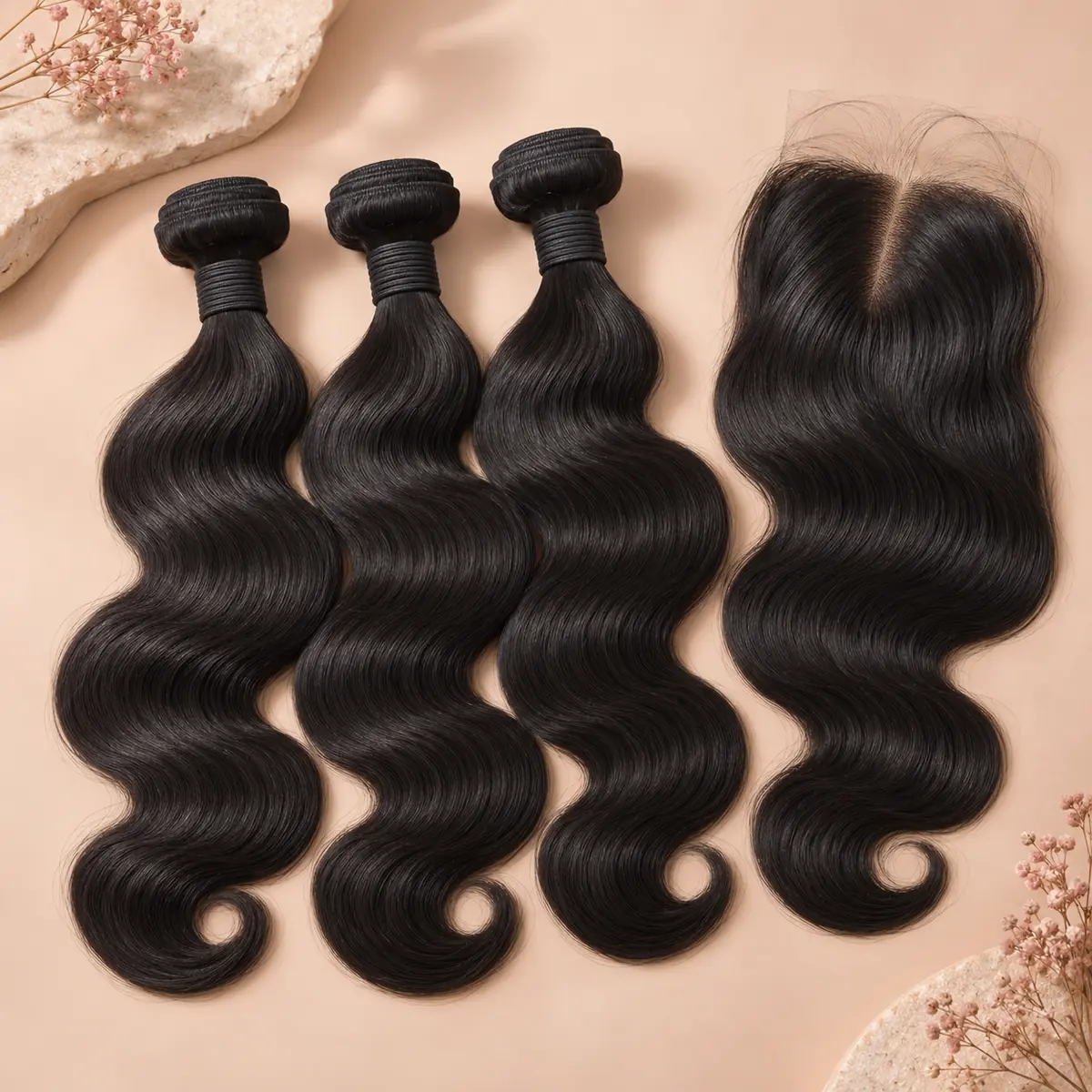
Image credit: vayorahair.com
To a brand selling wigs, these observations represent more than isolated customer reactions. They reveal opportunities to develop products people will genuinely enjoy wearing.
Building a successful collection involves more than chasing a viral hairstyle. The foundation is a practical understanding of the wearing experience that buyers are looking for.
Understand the Problems Behind the Purchase
A customer’s description of a problem is rarely expressed in technical production vocabulary. How comfortable the wig feels, ease of use, how it looks and how confident the wearer feels are what customers talk about. A request for an easier morning routine might point toward a glueless construction. An unnatural-looking hairline may signal a problem with how the lace looks, the treatment of knots, density, or the way the part is designed.
The human hair wig manufacturer China brands select should translate such everyday feedback into product specifications that can be measured.
Rather than specifying a 22-inch body-wave wig alone, a buyer can outline the desired wearing experience, how the cap should fit, lace construction, the look of the hairline, and finished weight. With that information, developers can work toward a better-defined goal.
Make Your Private Label Collection Recognizable
Rather than defining their own range, many emerging brands follow the products currently in demand. Such an approach can leave the brand with a collection that closely resembles competitors’ offerings.
A collaborative relationship with a private label wig manufacturer China retailers choose can help a brand develop a consistent product identity. Possible directions include lightweight wigs for daily wear, a premium collection with natural-looking hairlines, or ready-to-wear wigs for buyers who want minimal preparation. Every choice, from length, texture, and color to density, cap construction, and packaging, should reinforce the same promise to customers. When a range has a distinct identity, customers have a reason to return that extends past a temporary promotion.
What Matters in Glueless Wig Construction
Although the word “glueless” suggests simplicity, the experience of wearing the wig depends on multiple construction choices. Everything from cap sizing and adjustment features to attachment components, lace preparation, and hairline design helps determine how securely and comfortably the unit fits.
Defining the construction criteria before production is something a glueless wig manufacturer China buyers work with should assist with. For a range intended for beginners, the priorities may include manageable density, pre-cut lace, and straightforward adjustments. Different ways to customize the unit might be necessary in a collection aimed at professional stylists. There is no automatic advantage for either approach. Each serves a different customer.
Safeguard Your Brand’s Reputation Through Sampling
A product photograph cannot tell you everything about a wig. Does the cap fit properly? How does the hair move? Buyers also need to check whether the color meets expectations and the finished construction reflects the approved design. Sampling provides an opportunity to identify differences before placing a larger order.
For a wholesale human hair wigs supplier, documented specifications and quality-control procedures are especially important when the same style must be produced repeatedly. Without clear references, a successful first batch may be difficult to reproduce consistently.
Build a Collection That Can Grow
VAYORA works with B2B wig brands, retailers, and distributors to support product development, private label services, sampling, specification control, and repeat-production processes. The focus is on connecting what wearers expect with the physical characteristics responsible for how the wig looks, fits, and feels.
Before adding more products, a brand should review customer feedback, determine where its strongest product opportunities lie, and define clear approval standards. The next successful collection may not require more styles. It may require fewer compromises in the styles customers already want.