The owner of a restaurant opens the monthly P&L, looks at sales, then jumps to the bottom line, and then closes the P&L.
Sounds familiar?
The report may be totally correct, but if they are the only two numbers being reviewed the bulk of its value is left unreviewed.
Good restaurant bookkeeping shouldn’t make proprietors more dependent on their accountant. It should help them become more comfortable with their own numbers. You don’t need to be an expert in accounting, or to spend in the dark completing invoices. It’s crucial to understand what caused the change in profit as well as what happened to the labor and food items and which areas require attention next week.
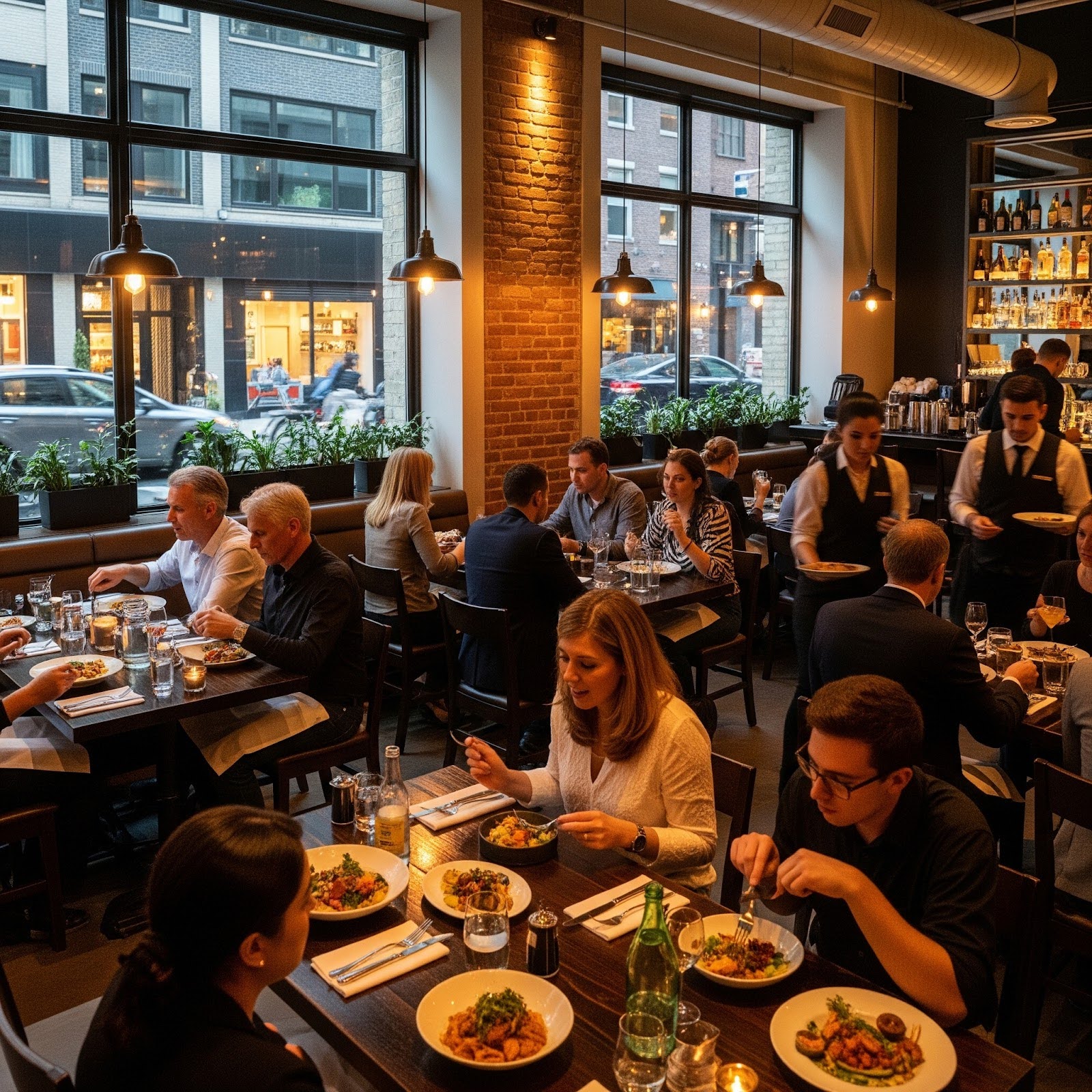
That’s the idea behind Bookkeeping Chef: Automate the bookkeeping task which doesn’t require the owner’s time, while providing restaurant owners with clearer financial information they can utilize.
You must begin looking at Weekly Numbers and Not Just Month-End
Restaurants don’t run on the basis of a monthly. This week, the managers plan their labor. Chefs order food today. Vendors change prices now.
This is why Bookkeeping Chef provides weekly prime-cost flash reports alongside monthly financial statements.
The prime cost comprises two key areas that can be swiftly transported in a restaurant establishment: the price of the food that are sold, as well as labor. The bookkeeping chef’s provided information states that the prime cost typically accounts for around 60% of restaurant sales.
Imagine sales haven’t drastically changed however the price of prime is increasing. This percentage does not provide an answer. It provides the owner with a reason to conduct an investigation.
Did hourly labor grow? Did you have extra work? Changes in food costs? A vendor’s invoice appeared to be unusually big? Have the sales mix changed?
This is a lot more helpful than finding the same problem several weeks later.
Let Automation Handle the Repetitive Work
DIY bookkeeping does not have to be done manually by transferring POS (point of sale) totals onto spreadsheets.
Modern bookkeeping automation in restaurants can take care of a large portion of the routine transfer of financial information. This service can be connected to POS systems, QuickBooks, vendors platforms as well as recipe management and inventory management, as well as payment instruments and AP.
The goal isn’t to automate for its own sake.
This reduces the manually entering data. This also helps keep accounts of financial transactions up to date so that the owners are able to focus on reading information rather than collecting it.
This creates a new model of bookkeeping in restaurants. The technology handles more of the mechanics, while the owner remains involved with the financial implications.
You can ask better questions about P&L
When you stop treating the P&L as a type of test, it becomes less intimidating.
Start by analyzing the sales. Next, look at the expenses needed to make those sales. Compare the results of beverages and food. Examine labor. Reduce your operating costs.
Compare periods.
If the sales rise but the profits aren’t, there’s an alteration between the two. Consider what has changed within the organization in the event that food costs went up. If the labor rate changed by a significant amount, you can compare sales and staffing activity. Investigate if a number seems odd, rather than assuming that the restaurant had a bad period.
Bookkeeping Chef can provide monthly P&Ls which are completed in five days. Business owners can look over the company’s performance without having to wait for months to receive financial statements.
Speed is important, but the objective is to learn.
It’s not necessary to handle everything on your own in case you do it yourself
You can find a happy middle between having someone handle your entire financial functions and becoming your own full-time accountant.
You could be a part of an owner of a business without having to perform all accounting duties by hand.
This may mean making use of automated systems to manage information flow, reviewing an annual P&L and weekly reports on the primary costs or asking questions when something unexpected occurs.
Specialized restaurant bookkeeping services can support that approach by keeping the underlying books organized while helping the owner understand what the reports mean.
However, this does not mean the owner will be able to perform all bookkeeping functions.
An owner can sit down with the P&L and have a frank conversation about their business.
The objective of financial independence is not to produce more reports, but rather to attain financial freedom
Restaurants already produce huge amounts of data. Another dashboard might not prove beneficial.
Value is realized when an operator can open an P&L report, and see that there was a change, and then review the reports on prime costs.
Bookkeeping Chef’s method integrates restaurant accounting automation with daily reports, monthly P&Ls as well as restaurant-specific financial assistance to make this feasible.
Automatize repetitive tasks. Review your primary costs every week. Know the language employed within your P&L.
You don’t have to be a professional accountant.
It is best to become a restaurant owner who is aware of the financials of your restaurant.